
MEP Mechanical design services are a specialized branch of Mechanical, Electrical, and Plumbing (MEP) engineering focused on the planning, analysis, and design of building mechanical systems that ensure indoor comfort, air quality, energy efficiency, and overall building performance. These services are essential to the functionality of virtually every modern structure, from commercial offices and residential buildings to hospitals, laboratories, industrial facilities, and institutional campuses.
Mechanical engineering within MEP primarily covers Heating, Ventilation, and Air Conditioning (HVAC) systems, as well as related energy systems that support thermal comfort and environmental control within a building.
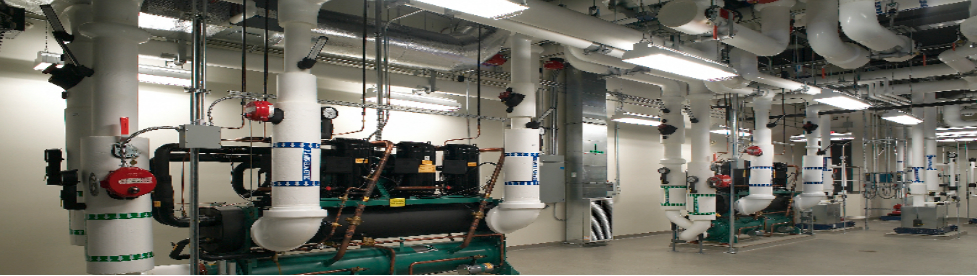
The first stage of mechanical design focuses on understanding the building’s function, occupancy, layout, and environmental requirements. Engineers evaluate how spaces will be used and determine the appropriate HVAC system type and configuration.
The first stage of mechanical design focuses on understanding the building’s function, occupancy, layout, and environmental requirements. Engineers evaluate how spaces will be used and determine the appropriate HVAC system type and configuration.
This includes selecting system approaches such as:
A critical component of mechanical design services is performing detailed heating and cooling load calculations. These calculations determine how much heating or cooling is required for each space based on factors such as:
Qcooling = Qsensible + Qlatent
These calculations ensure that HVAC systems are properly sized—avoiding oversizing (which increases cost and energy use) or undersizing (which reduces comfort and system reliability). Mechanical engineers may also perform energy modeling to simulate building performance and optimize system efficiency, helping projects meet energy codes and sustainability goals.Once system requirements are established, mechanical engineers select appropriate HVAC equipment based on performance, efficiency, space constraints, and project budget.
Typical equipment selection includes:
Engineers evaluate efficiency ratings, lifecycle cost, maintenance requirements, and compatibility with building automation systems. The goal is to achieve an optimal balance between performance, energy efficiency, reliability, and cost-effectiveness.
Mechanical design also includes the planning of air distribution and piping systems throughout the building. This involves designing ductwork layouts, piping networks, ventilation routes, and equipment connections.
Key considerations include:
Proper airflow design is essential to ensure occupant comfort, energy efficiency, and system durability.
MEP mechanical engineers are responsible for ensuring that all systems comply with applicable building codes, mechanical codes, energy conservation standards, and safety regulations.
This includes:
Compliance ensures that the building is safe, legally approvable, and ready for permiƫng and construction
MEP mechanical drafting is the technical documentation process that translates engineering design concepts into precise, construction-ready drawings and models. These drawings serve as
the visual and technical guide for contractors, fabricators, and installation teams during construction.
While mechanical design focuses on “what to build,” drafting focuses on “how to build it.”
Mechanical drafting includes the creation of detailed HVAC layouts showing:
Mechanical drafting produces full construction document sets that include:
In modern projects, mechanical drafting is often performed using Building Information Modeling (BIM). BIM allows engineers and designers to create intelligent 3D models that integrate mechanical systems with architectural and structural elements.
Benefits of BIM-based drafting include:
Mechanical drafting also supports contractors during installation by providing:
This ensures that systems are installed correctly and operate as designed.
Mechanical design and drafting work together to ensure that HVAC systems are not only properly engineered but also accurately constructed. Design provides the technical foundation, while drafting ensures real-world execution.
Together, they deliver:
MEPengineeringUSA.com provides Mechanical, Electrical, Plumbing, and Fire Protection engineering design services to both public and private sector clients. Our team includes Registered Professional Engineers licensed in all 50 U.S. states, along with LEED Accredited Professionals, design engineers, and experienced CAD drafters and technicians.