Designing a successful commercial building requires more than an attractive architectural concept. Mechanical, electrical, and plumbing (MEP) engineering plays a critical role in building performance, occupant comfort, energy efficiency, safety, permitting, and construction costs.
For architects, understanding when and how to integrate MEP engineering into a commercial project can help prevent costly design changes and coordination problems later.
What Is MEP Engineering?
MEP engineering covers three essential building systems:
• Mechanical Engineering: HVAC, heating and cooling, ventilation, air distribution, equipment selection, and energy-related systems.
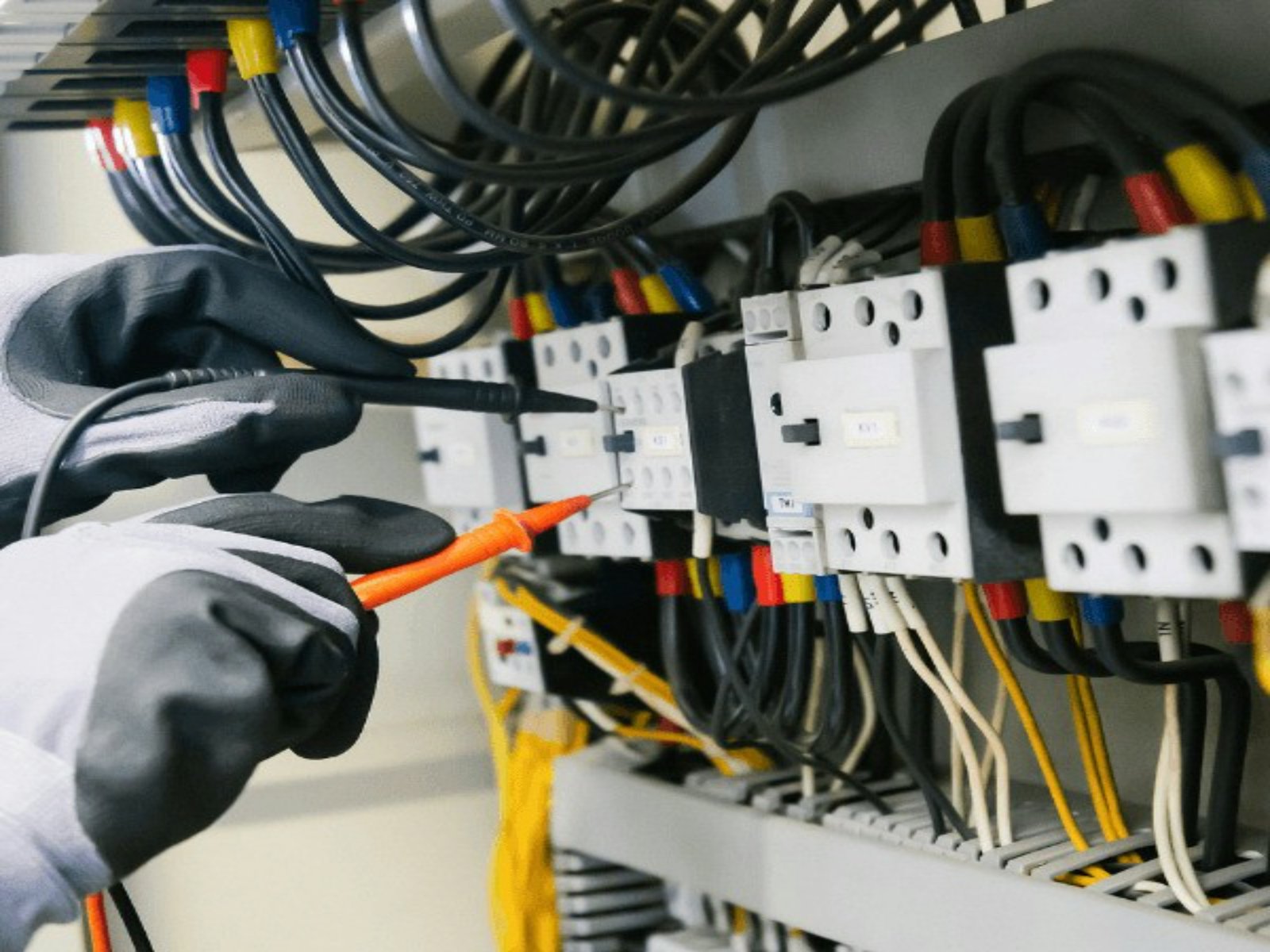
• Electrical Engineering: Power distribution, lighting, electrical loads, emergency systems, and other electrical infrastructure.
• Plumbing Engineering: Domestic water, sanitary drainage, stormwater, gas piping, fixtures, and related plumbing systems.
These systems must work together with the architectural and structural design.
Why MEP Engineering Is Important for Architects
MEP systems can occupy a significant amount of space within a commercial building. Ductwork, piping, electrical equipment, mechanical rooms, shafts, ceiling spaces, and service areas must be coordinated with the architectural layout.
Early MEP coordination can help architects avoid problems such as:
• Insufficient ceiling space for ductwork
• Conflicts between MEP and structural elements
• Inadequate mechanical-room space
• Improper equipment access
• Plumbing conflicts
• Electrical equipment clearance issues
• Unexpected changes during construction
Integrating MEP engineering early in the design process gives architects an opportunity to address these issues before construction documents are finalized.
Commercial Buildings Require Different MEP Strategies
MEP design depends heavily on the type and use of the building.
For example, a restaurant may require substantial kitchen ventilation, grease exhaust, make-up air, plumbing capacity, and specialized electrical loads.
An office building may require efficient HVAC zoning, ventilation, lighting controls, power distribution, and flexible tenant spaces.
Retail, medical, industrial, educational, multifamily, and mixed-use buildings each have different MEP requirements.
A qualified commercial MEP engineering firm should understand the building's intended use before developing the engineering design.
HVAC Engineering and Energy Efficiency
HVAC is often one of the most important MEP considerations for commercial buildings.
MEP engineers evaluate heating and cooling loads, ventilation requirements, equipment selection, air distribution, controls, and system efficiency.
Proper HVAC engineering can help architects create comfortable spaces while minimizing equipment sizes, mechanical-room requirements, operating costs, and energy consumption.
Architects should involve mechanical engineers early when HVAC requirements could affect floor plans, ceiling heights, shafts, roof layouts, or exterior equipment locations.
Electrical Engineering and Building Power
Modern commercial buildings have increasingly complex electrical requirements.
Electrical engineers may design:
• Electrical service and distribution
• Lighting systems
• Emergency and standby power
• Electrical panels
• Equipment connections
• Energy-efficient lighting
• EV charging infrastructure
• Fire alarm and related systems where applicable
Early electrical coordination helps ensure adequate space for electrical rooms, panels, transformers, and equipment while maintaining required access and clearances.
Plumbing Engineering and Space Planning
Plumbing systems also influence architectural design.
Plumbing engineers coordinate fixture locations, water distribution, sanitary drainage, stormwater systems, and other plumbing requirements.
Bathrooms, kitchens, mechanical spaces, vertical plumbing risers, and equipment rooms should be considered early rather than added after the architectural layout is complete.
MEP Coordination Is Critical
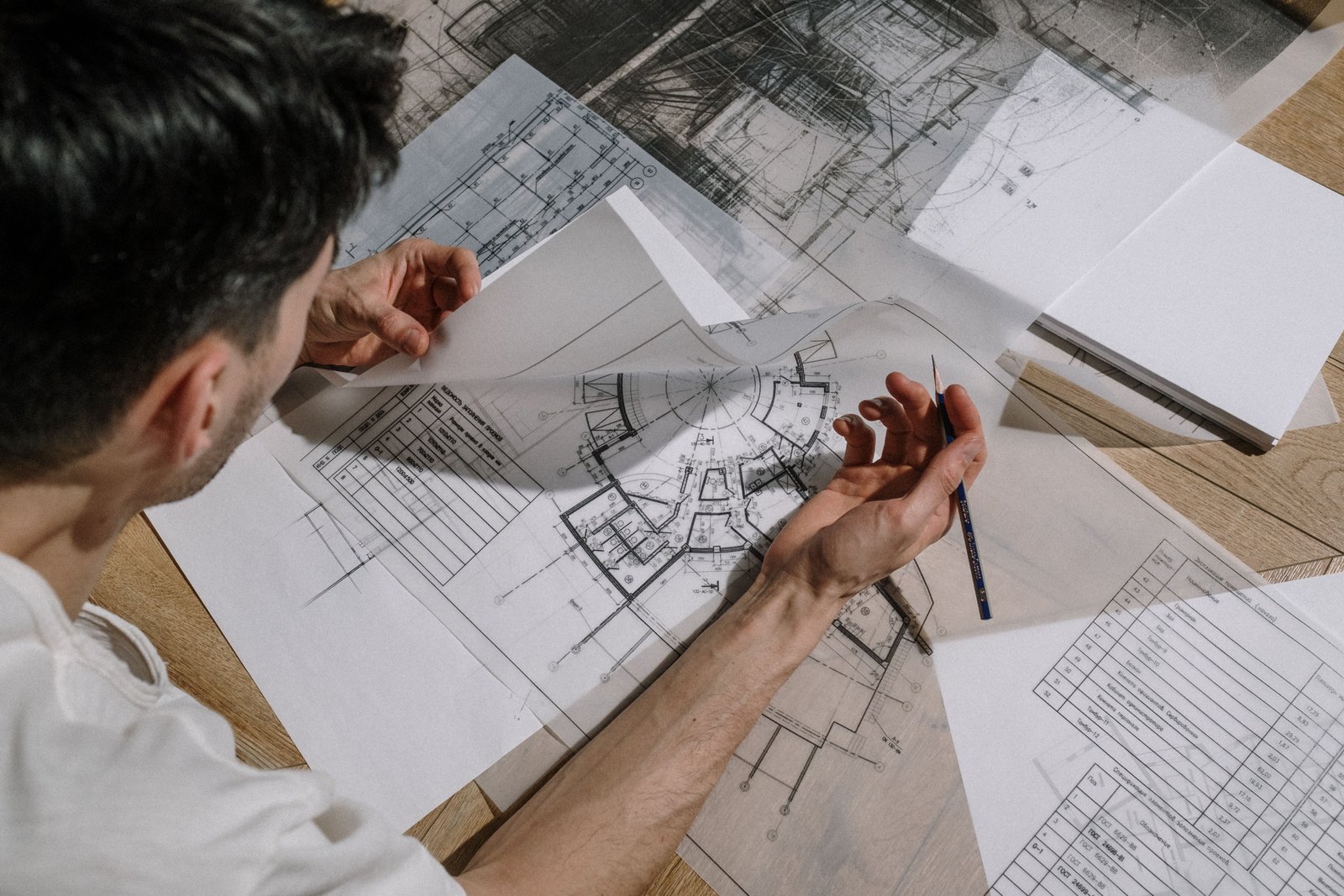
One of the biggest challenges on commercial projects is coordinating MEP systems with architectural and structural plans.
Effective coordination can identify potential conflicts before construction.
For example, an HVAC duct may compete for the same ceiling space as a structural beam, plumbing pipe, or electrical conduit. Identifying the conflict during design is considerably easier than resolving it in the field.
Architects should therefore treat MEP coordination as an integral part of the design process—not simply an engineering task performed at the end.
When Should Architects Hire an MEP Engineer?
Ideally, MEP engineering should begin during the early design and planning stages.
Early involvement allows engineers to provide input regarding:
• Mechanical-room locations
• Equipment space
• Electrical rooms
• Plumbing risers
• HVAC shafts
• Ceiling heights
• Equipment access
• Utility requirements
• Energy efficiency
• Code and permitting considerations
Early coordination generally provides more opportunities to optimize the design before documents are finalized.
Outsourcing MEP Engineering for Architecture Firms
Small and midsize architecture firms do not necessarily need to maintain a full-time MEP engineering department.
Working with an experienced outsourced MEP engineering consultant can provide access to mechanical, electrical, and plumbing engineering expertise on a project-by-project basis.
This approach can help architecture firms expand their project capabilities while avoiding the cost of maintaining a permanent engineering staff.
For projects requiring professional engineering services, architects should ensure that appropriately licensed Professional Engineers are engaged for the applicable jurisdiction and scope of work.
Final Thoughts
MEP engineering is an essential component of successful commercial building design. When architects and MEP engineers collaborate early, they can better coordinate building systems, improve energy performance, reduce design conflicts, and create more efficient construction documents.
Whether you are designing an office, restaurant, retail space, multifamily building, medical facility, or other commercial project, professional commercial MEP engineering can make a significant difference.
Need Commercial MEP Engineering Support?
MEPEngineeringUSA.com provides professional mechanical, electrical, plumbing, HVAC, and commercial MEP engineering services for architects, contractors, developers, and building owners.
Contact MEPEngineeringUSA.com to discuss your next commercial building project and MEP engineering requirements.
MEP Engineering for Commercial Buildings: What Architects Need to Know
Have a project in mind?
Get a proposal and fee estimate from our licensed MEP engineers within 24 hours.