
MEP Services
Electrical Engineering
Electrical ENGINEERING
Electrical ENGINEERING
Electrical design services are a specialized branch of MEP (Mechanical, Electrical, and Plumbing) engineering focused on the planning, development, and coordination of electrical systems within buildings and infrastructure. These services ensure that every facility has a safe, reliable, and efficient electrical infrastructure capable of supporting lighting, power distribution, life safety systems, communication networks, and modern building technologies.
Electrical design and drafting work together to transform conceptual building requirements into fully coordinated, code-compliant electrical systems that can be constructed and operated effectively.
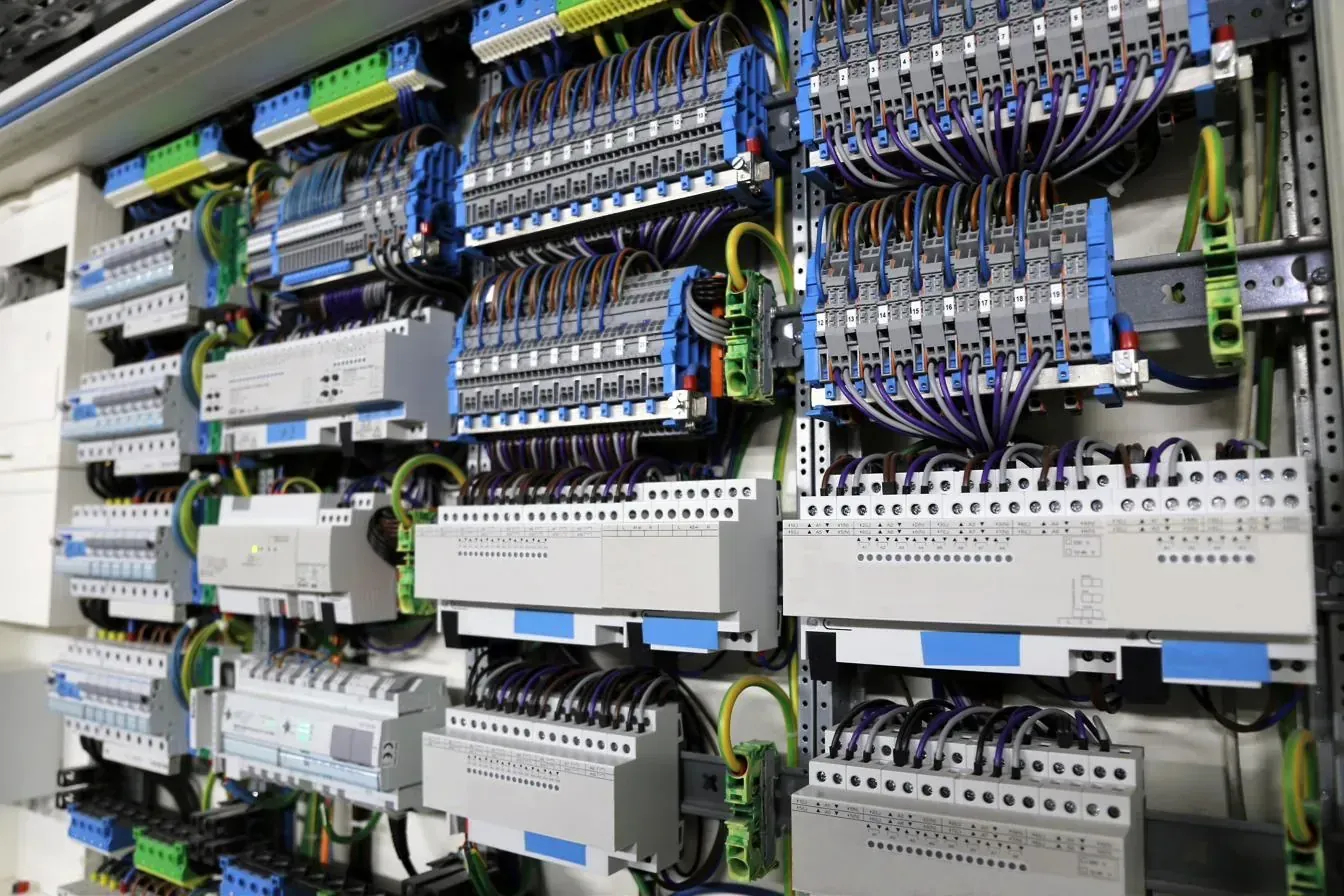
Electrical Design vs. Electrical Drafting
Electrical engineering services are generally divided into two closely related functions:
- Electrical Design: Focuses on engineering analysis, system planning, load calculations, equipment selection, and compliance with electrical codes and safety standards.
- Electrical Drafting: Focuses on the production of detailed technical drawings, schematics, and layouts that guide installation, coordination, and construction.
Together, these services ensure that electrical systems are both technically sound and accurately documented for real-world execution.
What Electrical Design Services Include
Electrical design is a comprehensive engineering process that ensures a building’s electrical infrastructure is safe, efficient, and capable of meeting both current and future demands.
1. Electrical System Planning
The design process begins with understanding the building type, occupancy, and electrical demand requirements. Engineers evaluate how power will be distributed throughout the facility and determine the overall system architecture.
This includes planning for:
- Main service entrance and utility connections
- Power distribution pathways
- Electrical room layouts and equipment locations
- Emergency and standby power systems
- Future expansion and load growth capacity
Proper planning ensures system reliability and prevents overloads or inefficiencies in long-term operation.
2. Electrical Load Calculations
A critical part of electrical design is determining the total electrical demand of a building. Engineers perform load calculations based on lighting, equipment, HVAC systems, appliances, and occupancy levels.
𝑃 = 𝑉 × 𝐼
- P = electrical power (watts)
- V = voltage
- I = current
Load calculations help determine transformer sizing, panel capacities, feeder sizing, and overall system distribution requirements.
3. Power Distribution Design
Electrical engineers design the complete power distribution system from the utility service to enduse equipment. This includes:
- Switchgear and distribution panels
- Transformers and substations (where applicable)
- Feeders and branch circuits
- Emergency power systems (generators, UPS systems)
- Grounding and bonding systems
The goal is to ensure stable, safe, and continuous power delivery throughout the building.
4. Lighting Design and Control Systems
Modern electrical design also includes lighting system planning that balances functionality, aesthetics, and energy efficiency.
This includes:
- Interior and exterior lighting layouts
- Emergency and egress lighting systems
- Energy-efficient LED design strategies
- Lighting control systems (occupancy sensors, daylight sensors, dimming controls)
- Smart lighting integration with building automation systems
Proper lighting design enhances occupant comfort while reducing energy consumption and operating costs.
5. Life Safety and Low Voltage Systems
Electrical design also covers critical life safety and communication systems, including:
- Fire alarm systems
- Emergency lighting and exit signage
- Security and access control systems
- CCTV surveillance systems
- Data and telecommunications infrastructure
- These systems are essential for occupant safety, building security, and modern connectivity requirements.
6. Code Compliance and Safety Standards
Electrical engineers ensure that all systems comply with applicable codes, standards, and regulations, such as:
- National Electrical Code (NEC)
- Local building codes and amendments
- Fire protection and life safety codes
- Energy efficiency standards
- Compliance ensures that systems are safe, legally approved, and ready for construction permitting.
What Electrical Drafting Services Include
Electrical drafting translates engineering design concepts into precise, detailed construction drawings that guide contractors during installation.
1. Electrical Layout Drawings
Drafting includes detailed floor plans showing:
- Power receptacle locations
- Lighting fixture placement
- Switch locations and control points
- Panelboard locations
- Wiring routes and conduit layouts
These drawings ensure that all components are properly coordinated and physically constructible within the building space.
2. Single-Line Diagrams and Schematics
Electrical drafting also includes technical diagrams such as::
- Single-line power distribution diagrams
- Panel schedules
- Riser diagrams for vertical distribution
- Control wiring diagrams
These documents illustrate how electrical systems are interconnected and how power flows through the building.
3. Construction Documentation
Electrical drafting produces complete construction drawing sets used for permitting and execution, including:
- Clash detection between systems
- Improved coordination with other disciplines
- Reduced construction errors and RFIs
- Better visualization of complex systems
- Enhanced project efficiency and cost control
These documents ensure that all electrical work is clearly defined and constructible.
4. BIM and 3D Coordination
In modern projects, electrical drafting is often performed using Building Information Modeling (BIM), allowing engineers to create intelligent 3D models of electrical systems.
Benefits include:
- Clash detection with HVAC, plumbing, and structural systems
- Improved coordination between disciplines
- Reduced construction errors and RFIs
- Enhanced visualization of complex systems
- More accurate cost estimation and scheduling
BIM improves efficiency and reduces costly field modifications during construction.
Electrical design and drafting services are a critical part of modern building engineering. Electrical design ensures that systems are properly engineered for safety, performance, and efficiency, while electrical drafting provides the precise documentation needed for construction and implementation. Together, they form the foundation of a building’s electrical infrastructure—ensuring reliable power distribution, advanced lighting and control systems, life safety protection, and seamless integration with today’s smart and sustainable building technologies.
Importance of Electrical Design and Drafting Services
Electrical design and drafting services are essential for ensuring that building systems function safely, efficiently, and reliably. Their importance includes:
- Ensuring continuous and reliable power distribution
- Protecting occupants through life safety systems
- Improving energy efficiency and reducing operating costs
- Ensuring compliance with all applicable codes and regulations
- Supporting modern building technologies and smart systems
- Reducing construction errors through precise documentation