
MEP Services
Fire Protection
Fire Protection SYSTEMS
Fire Protection SYSTEMS
Fire Protection Design Services are a critical branch of MEP (Mechanical, Electrical, and Plumbing) engineering focused on the planning, design, and coordination of systems that detect, control, and suppress fire hazards within buildings and infrastructure. These services are essential for safeguarding life, protecting property, and ensuring that buildings comply with strict fire and life safety regulations.
Fire protection engineering integrates multiple systems working together to respond quickly and effectively in the event of a fire. These systems are carefully designed to minimize risk, limit fire spread, and support safe evacuation of occupants while enabling emergency response teams to operate efficiently.
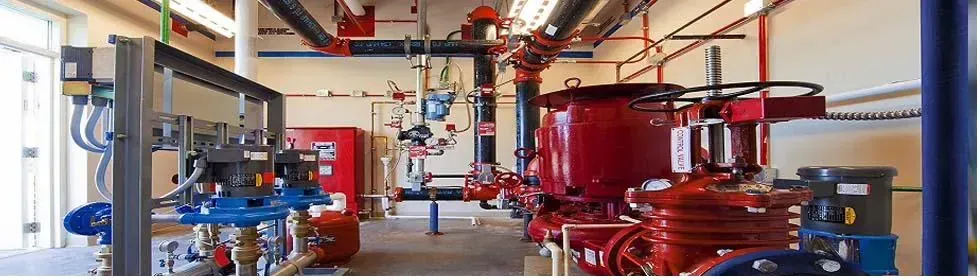
Scope of Fire Protection Design Services
Fire protection design includes a wide range of engineered systems that work together to provide comprehensive building safety.
1. Fire Alarm and Detection Systems
Fire alarm systems are designed to provide early warning in the event of smoke, heat, or fire conditions. These systems are a critical first line of defense and are essential for occupant safety and emergency response.
Fire alarm design typically includes:
- Smoke and heat detectors
- Manual pull stations
- Audible and visual notification devices (horns, strobes, speakers)
- Fire alarm control panels (FACP)
- Emergency communication systems
These systems are designed to detect fire conditions at the earliest possible stage and alert occupants to ensure timely evacuation.
2. Automatic Fire Sprinkler Systems
Sprinkler systems are one of the most effective fire suppression methods used in modern buildings. They are designed to automatically discharge water when a fire is detected, controlling or extinguishing the fire before it spreads.
Sprinkler system design includes:
- Wet pipe systems (most common)
- Dry pipe systems (for cold environments)
- Pre-action systems (for sensitive environments like data centers)
- Deluge systems (for high-hazard areas)
- Hydraulic calculations for pipe sizing and water flow requirements
Q = A × v
Where:
- Q = flow rate required for fire suppression
- A = sprinkler or pipe flow area
- v = velocity of water flow
Proper hydraulic design ensures that sufficient water pressure and flow are available to control fire effectively in all protected areas.
3. Special Fire Suppression Systems
In areas where water-based systems are not suitable, specialized suppression systems are used. These are designed to protect sensitive equipment or high-value assets.
Common systems include:
- Clean agent suppression systems (for data centers and IT rooms)
- CO₂ suppression systems (for industrial applications)
- Foam-based suppression systems (for flammable liquid hazards)
- Kitchen hood suppression systems (for commercial kitchens)
These systems are designed to suppress fire quickly while minimizing damage to equipment and infrastructure.
4. Standpipe and Hydrant Systems
Standpipe and hydrant systems provide manual fire-fighting support for emergency responders. These systems are typically installed in stairwells, corridors, and exterior building areas.
They include:
- Vertical standpipe risers
- Hose connections on each floor
- Exterior fire hydrants
- Fire department connections (FDC)
These systems ensure that firefighters have immediate access to a reliable water supply throughout the building.
5. Smoke Control and Management Systems
Smoke is one of the most dangerous aspects of a fire. Smoke control systems are designed to manage and limit the spread of smoke within a building, improving visibility and safe evacuation conditions.
Smoke control design includes:
- Mechanical smoke exhaust systems
- Stair pressurization systems
- Smoke dampers and zoning
- Atrium smoke control systems
- HVAC integration for smoke evacuation
Proper smoke management significantly improves occupant survival rates and supports emergency response operations.
Importance of Fire Protection Design Services
A properly designed fire protection system is essential for both safety and regulatory compliance. These systems are not optional. They are required by building codes and life safety standards in virtually all jurisdictions.
Key benefits include:
1. Life Safety and Early Detection
Fire protection systems provide early warning, allowing occupants to evacuate safely and reducing the risk of injury or loss of life.
2. Fire Containment and Damage Reduction
Automatic suppression systems help control fire spread, minimizing structural damage and reducing financial loss.
3. Code Compliance and Regulatory Approval
Fire protection design is essential for obtaining building permits and approvals from authorities having jurisdiction (AHJs), including fire departments and building departments.
4. Insurance and Risk Reduction
Proper fire protection systems reduce insurance risk and may lower insurance premiums for building owners.
5. Operational Continuity
By limiting fire damage, these systems help ensure that buildings can return to operation more quickly after an incident.
Coordination with Other Building Systems
Fire protection engineering must be carefully coordinated with all other building systems, including:
- HVAC systems (for smoke control integration)
- Electrical systems (for fire alarm power and emergency systems)
- Plumbing systems (for water supply and sprinkler demand)
- Architectural layouts (for egress routes and device placement)
- Structural systems (for pipe routing and equipment support)
This coordination ensures that fire protection systems are fully integrated into the building design without conflicts or performance issues.
Fire Protection Design Services are a vital component of modern building engineering, ensuring that structures are safe, compliant, and resilient in the event of a fire. Through the design of fire alarm systems, sprinklers, suppression systems, standpipes, and smoke control systems, fire protection engineers play a key role in protecting lives and property.
A well-designed fire protection system not only meets regulatory requirements but also provides peace of mind to building owners by ensuring rapid detection, effective suppression, and controlled evacuation in emergency situations.