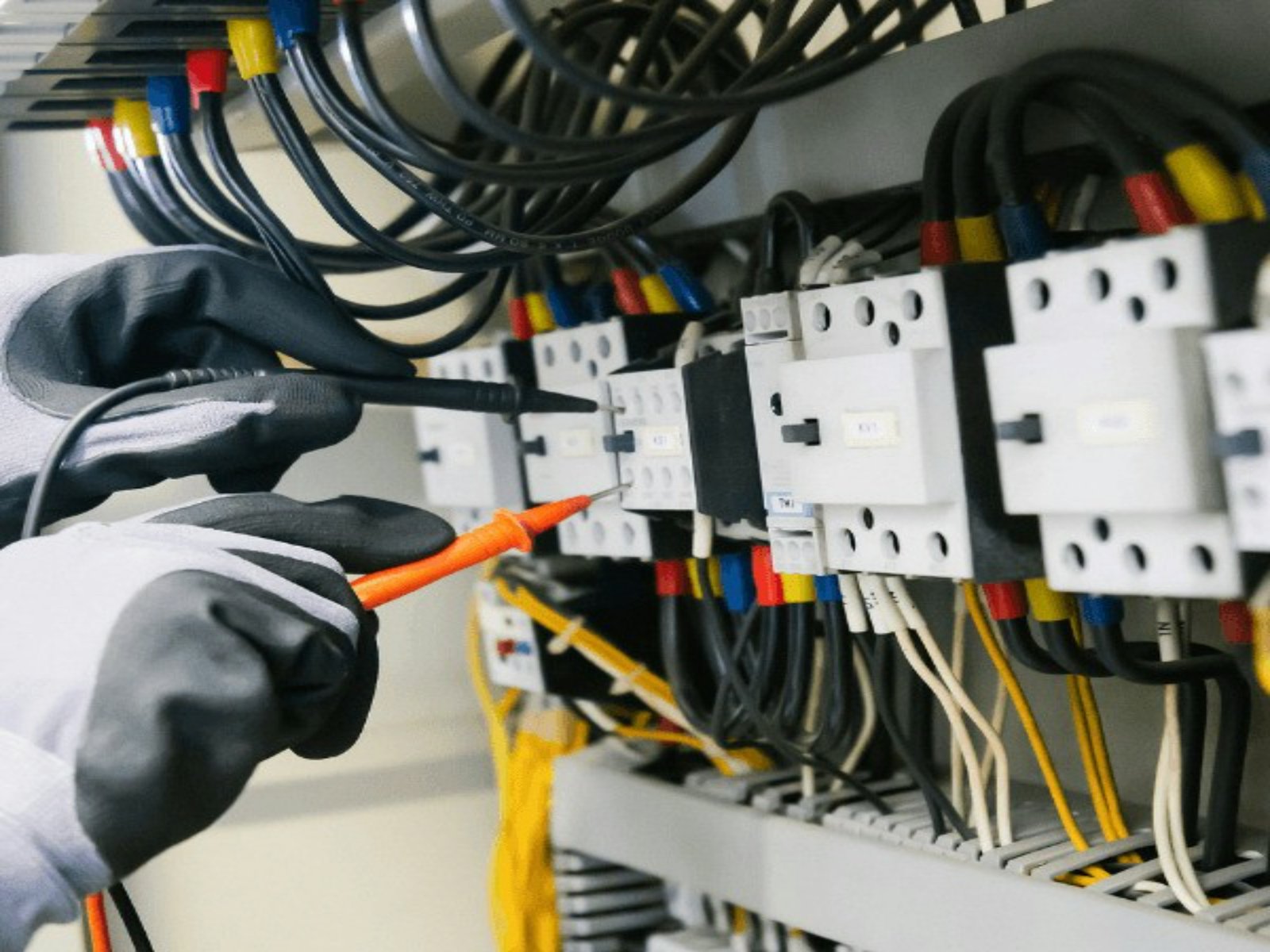
Commercial buildings across New Jersey, New York, and Connecticut increasingly require electrical service upgrades to support new equipment, building expansions, electrification, EV charging stations, HVAC replacements, renovations, and growing electrical demand.
An electrical service upgrade is more than simply installing a larger electrical panel. It can involve evaluating the building's existing electrical infrastructure, calculating current and future loads, coordinating with the utility, upgrading distribution equipment, and ensuring that the proposed system is properly integrated with the building's mechanical, plumbing, architectural, and structural systems.
For commercial property owners, developers, architects, and contractors, professional electrical engineering design can help identify capacity limitations and develop an appropriate path forward.
Why Commercial Buildings Need Electrical Service Upgrades
Older commercial buildings were often designed for significantly lower electrical loads than many modern facilities require. New technologies and building systems can substantially increase electricity demand.
Examples include:
- Electric HVAC and heat-pump systems
- EV charging stations
- Commercial kitchen equipment
- Additional lighting and electrical equipment
- Data centers and technology equipment
- Building expansions and additions
- Solar photovoltaic and battery-storage systems
- Manufacturing and industrial equipment
Before adding major electrical loads, building owners should determine whether the existing electrical service can safely and adequately support the proposed demand.
What Is Involved in an Electrical Service Upgrade?
A commercial electrical service upgrade typically begins with an evaluation of the existing electrical system. This may include reviewing electrical service capacity, utility information, panels, transformers, switchgear, feeders, distribution equipment, and existing loads.
Electrical load calculations are an important part of determining whether additional capacity is required.
Depending on the project, the engineering process may involve evaluating:
- Existing electrical service capacity
- Current and proposed electrical loads
- Main service equipment
- Distribution panels and switchgear
- Transformers
- Feeders and branch circuits
- Emergency and standby power
- EV charging requirements
- HVAC equipment loads
- Future expansion requirements
The objective is to develop an electrical system that meets the project's needs while considering applicable codes, utility requirements, constructability, and future capacity.
Why MEP Coordination Is Important
Electrical systems do not operate independently from the rest of a building. Mechanical equipment, plumbing systems, architectural layouts, and structural components all affect electrical design.
For example, replacing a gas-fired HVAC system with electric heat pumps can substantially increase electrical demand. Similarly, installing EV chargers can create additional loads that must be considered during the design process.
A qualified MEP engineering firm can coordinate electrical requirements with HVAC and other building systems to reduce conflicts and avoid costly redesign.
MEPengineeringUSA.com provides MEP design services intended to support this multidisciplinary coordination.
NJ, NY & CT Commercial Building Considerations
Commercial projects throughout the Tri-State Area can involve different jurisdictional requirements, utility procedures, permitting processes, and existing building conditions.
That makes local project coordination particularly important.
An electrical service upgrade should be developed based on the specific property's location, building characteristics, utility requirements, applicable codes, and scope of work.
Architects and contractors should also consider whether the project involves a renovation, addition, change of occupancy, electrification project, or new construction because these factors can influence engineering requirements.
Electrification Is Increasing Electrical Demand
Building electrification is becoming an increasingly important consideration for commercial properties.
Replacing fossil-fuel equipment with electric alternatives can increase electrical demand significantly. Heat pumps, electric water heaters, induction cooking equipment, EV charging stations, and other technologies may require additional electrical capacity.
This is why electrical planning should be performed early in the architectural and MEP engineering process.
Professional MEP engineering services can help project teams evaluate how proposed electrification measures affect the building's overall electrical infrastructure.
The Importance of Licensed MEP Engineers
Commercial electrical service upgrades should be designed and reviewed by appropriately qualified professionals.
Depending on the project and jurisdiction, engineering documents may require professional certification or a PE stamp. Working with licensed MEP engineers can provide architects, contractors, developers, and building owners with professional engineering expertise for complex building-system projects.
The engineering team should also coordinate with the applicable utility and local authority having jurisdiction when required.
How MEPengineeringUSA.com Can Help
MEPengineeringUSA.com provides professional MEP engineering support for commercial building owners, architects, contractors, developers, and construction professionals.
Our engineering approach can incorporate electrical requirements with HVAC and plumbing systems so that the building's major systems are considered together.
In addition to electrical engineering design, projects may require HVAC engineering services, plumbing engineering design, and broader mechanical electrical plumbing engineering coordination.
This integrated approach can be particularly valuable when an electrical service upgrade is being performed as part of a larger commercial renovation, building expansion, electrification project, or new construction project.
Plan Your Electrical Upgrade Before Construction Begins
Electrical service upgrades can become complicated when they are discovered late in the design or construction process. Early evaluation gives the project team more time to identify capacity limitations, coordinate with the utility, develop engineering documents, obtain necessary approvals, and plan construction.
For commercial buildings in New Jersey, New York, and Connecticut, early electrical planning can help reduce unexpected project delays and costly changes.
MEPengineeringUSA.com helps architects, builders, contractors, developers, and building owners address electrical and MEP engineering requirements with coordinated professional engineering support.
When your commercial building needs additional electrical capacity, proper engineering should come before construction.