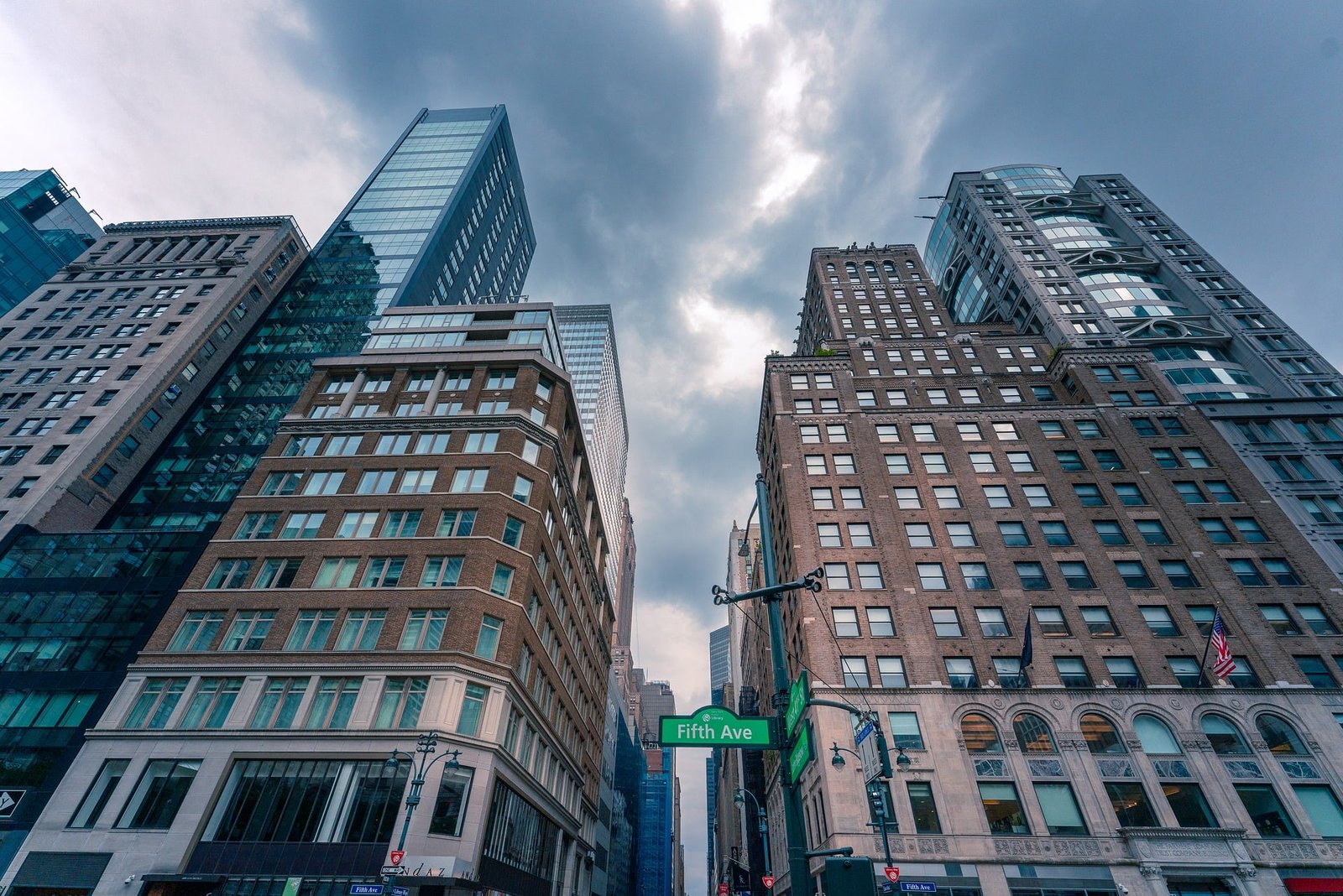
New York City building owners face increasingly important energy-efficiency and emissions requirements. For owners of commercial, multifamily, and other covered properties, understanding the city's energy laws is essential for managing operating costs, planning building upgrades, and avoiding potentially significant compliance penalties.
One of the most important regulations is Local Law 97 (LL97), part of New York City's Climate Mobilization Act. In general, most buildings larger than 25,000 gross square feet are subject to greenhouse-gas emissions limits, with stricter requirements scheduled for 2030. The city's long-term objective is a major reduction in building emissions and net-zero emissions by 2050.
What Is NYC Local Law 97?
Local Law 97 establishes greenhouse-gas emissions limits for many large buildings in New York City. The initial compliance period covers 2024–2029, followed by substantially stricter limits beginning in 2030.
Building owners should not wait until a reporting deadline approaches to determine whether their property may have an emissions problem. Understanding current energy consumption and identifying the major sources of emissions can help owners plan upgrades strategically.
The NYC Department of Buildings has reported that the first LL97 compliance reports, covering calendar-year 2024, were due December 31, 2025.
Why MEP Engineering Matters for Energy Compliance
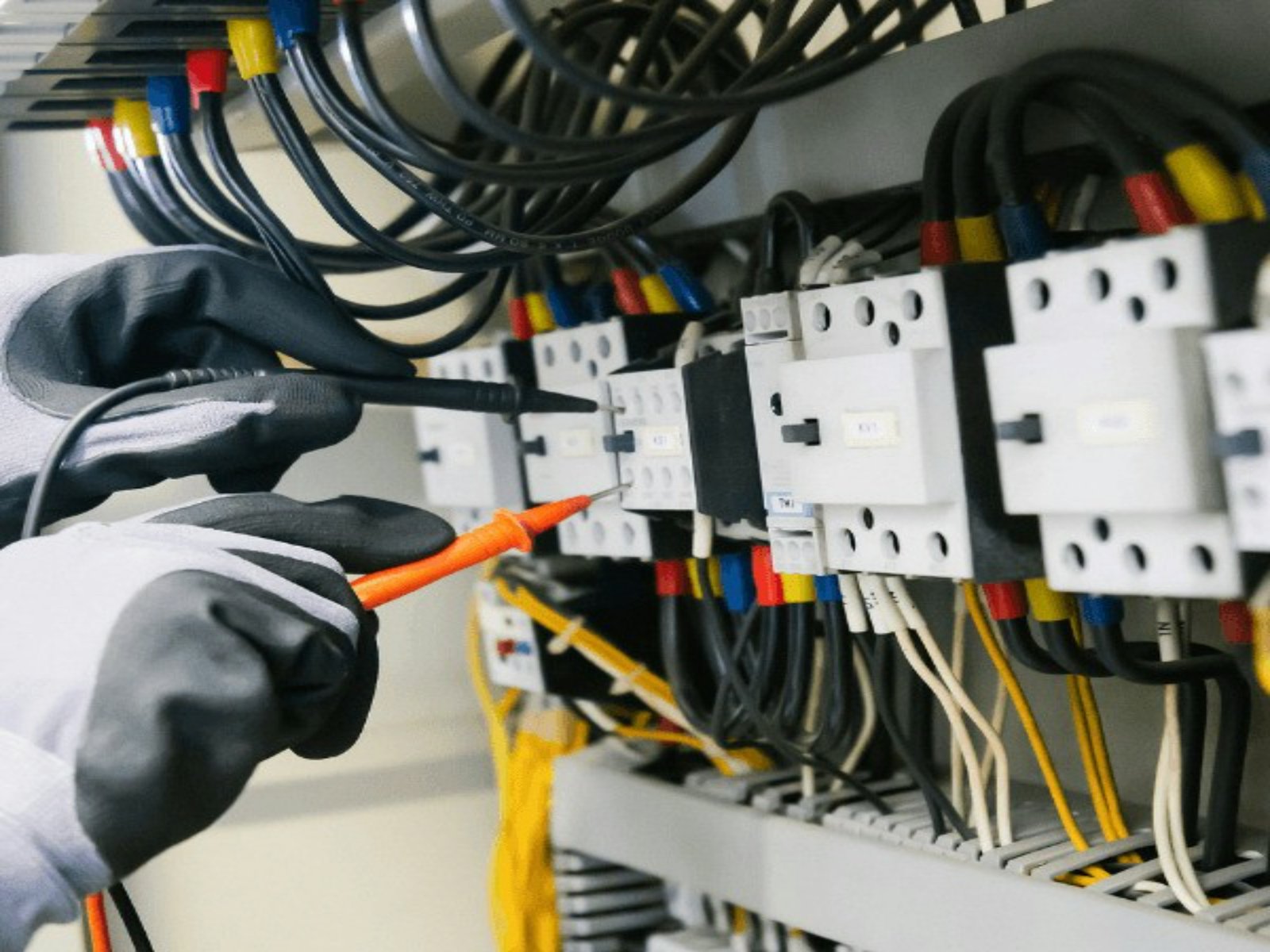
Mechanical systems are often central to a building's energy performance. Heating, cooling, ventilation, pumps, controls, electrical equipment, and other systems can significantly affect a property's energy consumption.
Professional MEP engineering can help building owners evaluate existing systems and identify opportunities for improvement.
An experienced MEP engineering firm can review HVAC equipment, energy usage, controls, electrical systems, and other building components to help develop practical improvement strategies.
HVAC Improvements Can Make a Major Difference
For many buildings, HVAC systems represent an important area for energy-efficiency improvements.
HVAC engineering services may include evaluating heating and cooling equipment, ventilation systems, controls, distribution systems, and equipment operating conditions. Depending on the building, improvements could include equipment replacement, controls upgrades, improved scheduling, or other efficiency measures.
The right solution depends on the property's age, occupancy, existing equipment, operating patterns, and available capital.
Electrical Systems and Energy Efficiency
Electrical engineering design is also an important part of an overall building energy strategy. Efficient lighting, electrical equipment, controls, and distribution systems can contribute to improved building performance.
For owners planning major renovations, electrical and mechanical upgrades can often be evaluated together rather than treated as completely separate projects.
This integrated approach can help ensure that proposed improvements work effectively within the building's existing infrastructure.
What About Incentives?
NYC building owners may have access to assistance programs, incentives, financing options, and other resources intended to encourage energy efficiency and emissions reductions. Available programs and eligibility requirements can change, so owners should verify current offerings before making investment decisions.
Local Law 97 also provides certain compliance mechanisms involving renewable energy credits, greenhouse-gas offsets, and distributed energy resources under applicable rules.
Building owners should evaluate whether available incentives can help reduce the cost of planned energy improvements.
Don't Wait Until 2030
The 2030 LL97 limits are considerably more stringent than the initial 2024–2029 requirements. This makes long-term planning particularly important for owners of buildings that may have difficulty meeting future limits.
A building that is currently within its applicable emissions limit may still require substantial improvements before 2030.
Starting early gives owners more time to evaluate alternatives, obtain engineering designs, establish budgets, coordinate construction, and implement improvements.
Potential Penalties for Noncompliance
Failure to comply with applicable LL97 requirements can have financial consequences. NYC Department of Buildings information currently identifies penalties for certain reporting and emissions-limit violations, including penalties based on floor area and emissions exceeding applicable limits.
Because the financial impact can be substantial, building owners should treat energy compliance as an important component of long-term property management rather than simply an administrative requirement.
How MEPengineeringUSA.com Can Help
MEPengineeringUSA.com provides professional MEP engineering services for architects, contractors, developers, and building owners seeking coordinated engineering solutions.
Depending on project requirements, our engineering team can support HVAC engineering, electrical engineering, plumbing systems, equipment coordination, energy-efficiency improvements, and other building-system design requirements.
Working with licensed MEP engineers can help building owners understand how proposed mechanical and electrical improvements fit into the property's overall building systems.
Plan Today for Tomorrow's NYC Energy Requirements
NYC energy regulations are becoming an increasingly important consideration for building owners. Local Law 97 has already established emissions limits for covered buildings, while stricter requirements are scheduled for the next compliance period.
The best time to evaluate a building's energy performance is before compliance becomes an emergency.
By combining professional MEP engineering with careful energy planning, building owners can identify potential improvements, prepare for future requirements, reduce operating costs, and improve overall building performance.
MEPengineeringUSA.com helps New York building owners, architects, and construction professionals approach MEP engineering with a focus on practical design, energy efficiency, coordination, and long-term building performance.
Important: This article is provided for general information purposes and is not legal or regulatory advice. NYC energy requirements, deadlines, incentives, and compliance rules can change. Building owners should verify current requirements with the NYC Department of Buildings and qualified professionals before making compliance decisions.