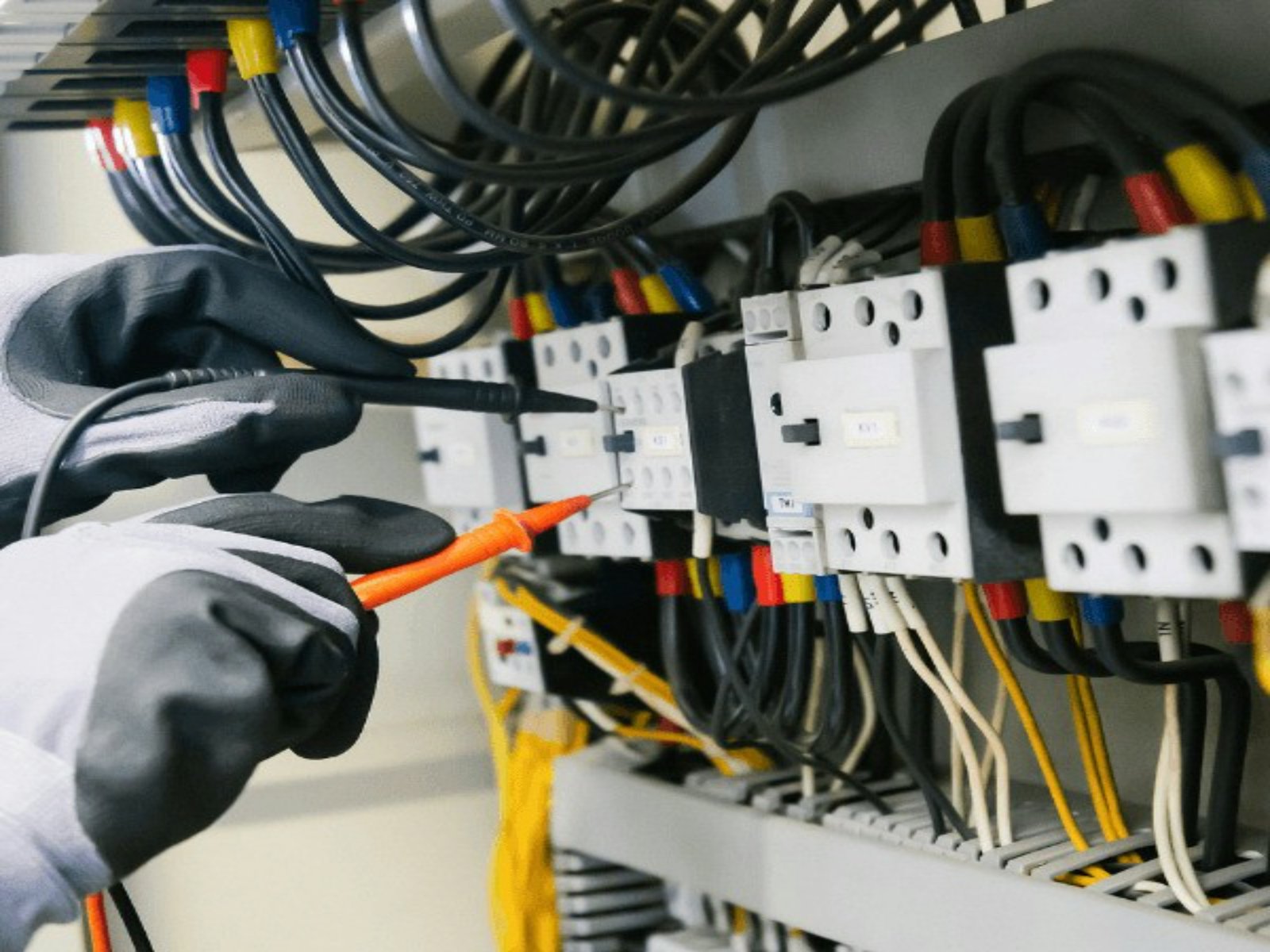
Vibration is an often-overlooked consideration in building design, but uncontrolled mechanical vibration can affect occupant comfort, equipment performance, noise levels, and the long-term condition of a building. For commercial, residential, industrial, and institutional projects, vibration control should be considered during the engineering design process rather than treated as an afterthought.
Professional MEP engineering services help architects, builders, contractors, and building owners address vibration sources and develop practical solutions that allow mechanical and electrical systems to operate effectively without unnecessarily transferring vibration into the building structure.
What Causes Vibration in Buildings?
Many building systems contain rotating or moving equipment. Common vibration sources include HVAC equipment, air-handling units, fans, pumps, compressors, cooling towers, chillers, generators, and other mechanical equipment.
Vibration can travel through equipment supports, floors, walls, ceilings, piping, ductwork, and structural components. If not properly controlled, vibration can become noticeable in occupied areas or affect sensitive spaces.
An experienced MEP engineering firm can identify potential vibration sources early and consider appropriate isolation and support strategies during design.
Why Vibration Control Is Important
Uncontrolled vibration can create several problems.
The most obvious is occupant discomfort. Continuous vibration or low-frequency noise can be distracting in offices, residences, hotels, healthcare facilities, and other occupied spaces.
Vibration can also affect sensitive equipment. Laboratories, medical facilities, technology spaces, recording studios, and other specialized environments may have particularly strict vibration requirements.
Mechanical vibration can also contribute to excessive noise and, in certain situations, premature wear of equipment or building components.
For these reasons, vibration control is an important part of comprehensive MEP design services.
HVAC Equipment and Vibration
HVAC systems are among the most common sources of mechanical vibration in buildings.
Fans, pumps, compressors, air-handling units, chillers, and rooftop equipment can generate vibration during normal operation. If equipment is installed without appropriate isolation, vibration may be transmitted through the structure.
HVAC engineering services can address equipment selection, equipment location, mounting, isolation, duct connections, piping connections, and other factors that influence vibration transmission.
Flexible connections, vibration isolators, spring supports, inertia bases, and other engineering solutions may be considered depending on the equipment and project requirements.
Vibration and Plumbing Systems
Plumbing systems can also contribute to noise and vibration, particularly when water moves rapidly through piping or when pumps and other mechanical equipment are involved.
Proper plumbing engineering design considers pipe routing, supports, equipment connections, and building conditions that may influence noise and vibration.
Coordination between mechanical and plumbing systems is especially important in multifamily and hospitality projects where plumbing systems may be located near occupied spaces.
Electrical Equipment Can Also Generate Vibration
Electrical engineering design is not normally associated with vibration in the same way as HVAC engineering, but certain electrical equipment can generate mechanical noise or vibration.
Transformers, generators, motors, and other equipment may require consideration of their location, mounting, and relationship to occupied or vibration-sensitive areas.
Electrical equipment should therefore be coordinated with mechanical and architectural layouts rather than considered completely independently.
Vibration Control Starts With Good Coordination
Effective vibration control begins during design.
The location of mechanical equipment can have a major impact on vibration transmission. Placing high-vibration equipment directly above a sensitive office, residential unit, laboratory, or other occupied area may create problems that are difficult and expensive to correct later.
MEP engineering allows mechanical, electrical, plumbing, architectural, and structural requirements to be evaluated together.
This multidisciplinary approach is particularly important for projects where equipment rooms, rooftop mechanical systems, or mechanical floors are located near vibration-sensitive spaces.
Different Buildings Require Different Solutions
Vibration requirements vary depending on the building's function.
Residential buildings may prioritize occupant comfort and noise control. Commercial offices may require vibration reduction around workspaces and conference rooms. Healthcare and laboratory facilities can have significantly more demanding vibration criteria because sensitive equipment may be affected.
Industrial facilities may contain large rotating machinery and equipment that requires specialized engineering consideration.
There is no single vibration-control solution that works for every building.
The Role of Licensed MEP Engineers
Vibration control should be incorporated into the overall engineering design by appropriately qualified professionals.
Licensed MEP engineers can evaluate equipment requirements, coordinate mechanical systems with other disciplines, and help develop appropriate engineering solutions based on the specific project.
Early engineering coordination is generally preferable to discovering vibration problems after equipment has been installed.
How MEPengineeringUSA.com Can Help
MEPengineeringUSA.com provides professional MEP engineering services for architects, builders, contractors, developers, and building owners.
Our MEP engineering approach considers how mechanical, electrical, and plumbing systems interact with the building's architectural and structural design.
Depending on project requirements, our MEP design services can incorporate HVAC equipment coordination, mechanical systems, electrical engineering design, plumbing engineering design, equipment locations, and other building-system considerations.
By addressing vibration during the design stage, project teams can reduce the likelihood of costly modifications after construction.
Design for Comfort, Performance, and Reliability
Vibration control is more than a noise issue. It can affect occupant comfort, equipment performance, building functionality, and the overall quality of a construction project.
When vibration-producing equipment is properly evaluated and coordinated during MEP engineering, architects and construction teams have a better opportunity to create buildings that operate comfortably and reliably.
For commercial, residential, industrial, and specialized facilities, vibration control should be considered early—not after the problem appears.
MEPengineeringUSA.com provides coordinated MEP engineering support designed to help project teams address mechanical, electrical, and plumbing requirements while considering the comfort, performance, and long-term functionality of the building.